MINING Tablet Unleashed: Your Ultimate Guide to Rugged Tech for Mining Pros
Introduction: Why MINING Tablets Are a Game-Changer
Let’s face it—mining isn’t for the faint of heart. Between dust, extreme temps, and rough terrain, your gear needs to keep up. Enter the MINING tablet: a rugged, no-nonsense device built to handle it all. Unlike regular tablets that crumble at the first drop of dirt, these bad boys thrive in chaos. They’re not just tough; they’re packed with features like long battery life, sunlight-readable screens, and industrial-grade connectivity. Whether you’re mapping underground tunnels or tracking equipment in the open pit, a MINING tablet is your tech sidekick. But how do you pick the right one? Let’s dig in!
1. What Makes a MINING Tablet Different?
Rugged Design: Built Like a Tank
First things first—MINING tablets aren’t your average slates. They’re engineered to survive drops, spills, and even the occasional rogue rock. Look for devices with IP65/IP68 ratings (that’s “Ingress Protection” for dust and water resistance) and MIL-STD-810H certification (military-grade durability). These badges mean your tablet can handle vibrations, shocks, and temperature swings from -20°C to 60°C. Pro tip: Some models even have glove-friendly touchscreens—no more fumbling with frozen fingers!
Battery Life That Doesn’t Quit
In mining, downtime = lost money. That’s why MINING tablets come with batteries that last 10+ hours on a single charge. Some even have hot-swappable batteries, so you can swap power packs without shutting down. Imagine mapping a new site for 12 hours straight without scrambling for an outlet—now that’s efficiency!
When shopping for a MINING tablet for fieldwork, prioritize models with extended battery life in extreme conditions. Why? Because mining sites rarely have cozy charging stations. A tablet that dies mid-shift isn’t just annoying—it’s a safety risk. Look for devices with low-power consumption modes and fast-charging capabilities. Some even use solar charging or external power banks for extra juice. Remember: the longer your tablet lasts, the fewer interruptions you’ll face.
2. Key Features to Look For
Sunlight-Readable Displays
Working outdoors? Regular tablets turn into mirrors under bright sunlight. MINING tablets solve this with 1000+ nit displays—that’s 5x brighter than your phone! This means crystal-clear visibility even in direct sunlight, so you can read maps or check data without squinting.
Industrial-Grade Connectivity
Mining sites are often remote, but that doesn’t mean you’re offline. MINING tablets support 4G/5G, Wi-Fi 6, and even satellite connectivity for real-time data sharing. Some models even have RFID/NFC readers for scanning equipment tags or access badges. Talk about staying connected!
If you’re working in remote mining sites, connectivity is non-negotiable. A MINING tablet with satellite options ensures you’re never truly offline, even miles from civilization. This is crucial for sending safety alerts, updating logs, or calling for help. Pro tip: Check if your tablet supports dual SIM cards—it lets you switch between networks without missing a beat.
3. Common Use Cases for MINING Tablets
Geological Mapping & Surveying
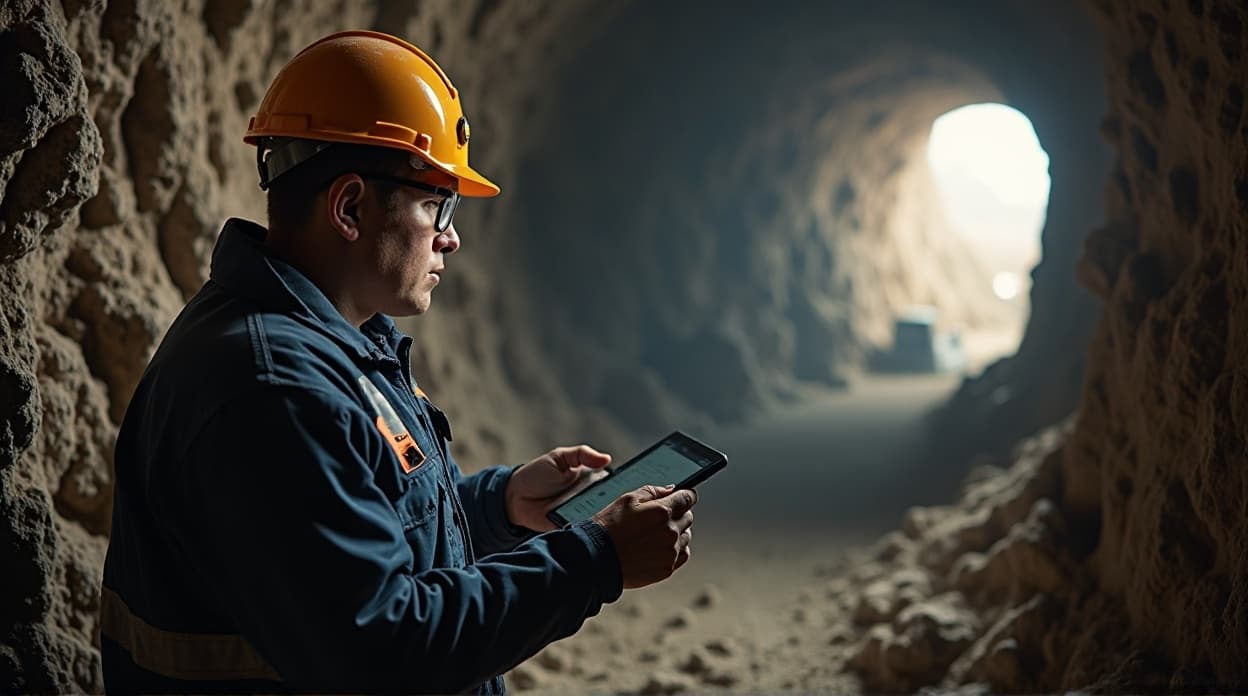
Mining pros use tablets to log core samples, annotate maps, and share findings with teams. The rugged design means you can toss it in your backpack without worrying about damage.
Equipment Maintenance & Tracking
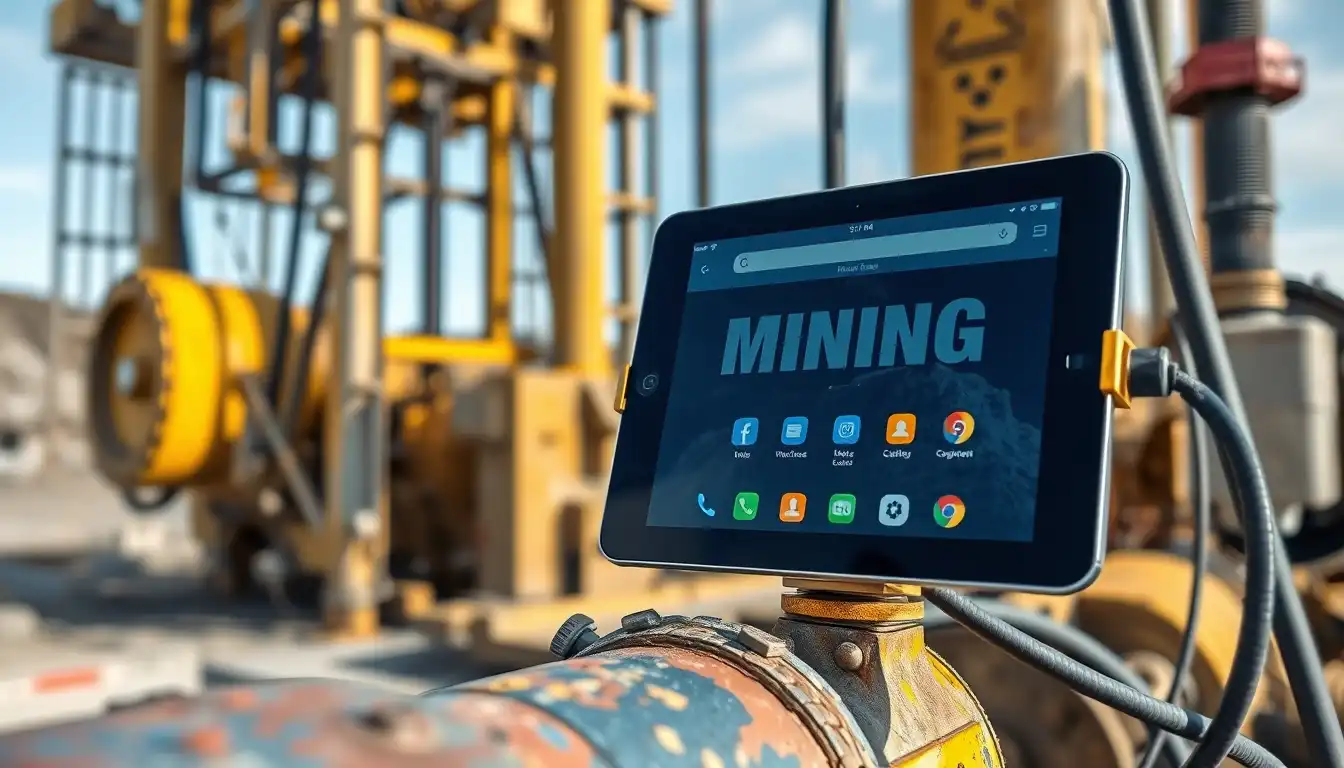
Attach a MINING tablet to a forklift or drill rig via a vehicle mount to monitor performance metrics in real time. Some tablets even integrate with IoT sensors to predict breakdowns before they happen.
For equipment tracking in mining operations, a MINING tablet with RFID compatibility is a lifesaver. Scan tags to log maintenance history, check inventory, or locate misplaced gear—all without leaving your seat. This cuts down on manual errors and keeps workflows smooth.
4. FAQs About MINING Tablets
Q: Can I use a regular tablet for mining?
A: Nope! Regular tablets lack the durability, battery life, and connectivity needed for mining environments. Stick with a rugged mining tablet to avoid costly replacements.
Q: How much do MINING tablets cost?
A: Prices range from 800 to 3,000+, depending on features like screen size, battery capacity, and connectivity options. Invest in quality—it’ll pay off in the long run!
Q: Are MINING tablets waterproof?
A: Most are water-resistant (IP65/IP68), meaning they can handle splashes or light rain. But don’t dunk them in water! Check the specs before buying.
5. The Future of MINING Tablets
As mining tech evolves, so do tablets. Expect AI-powered analytics for real-time decision-making, augmented reality (AR) overlays for training, and even tougher materials like graphene screens. The goal? To make mining safer, smarter, and more efficient.
Final Thoughts
A MINING tablet isn’t just a gadget—it’s a tool that keeps you productive, safe, and connected. Whether you’re a geologist, engineer, or site manager, investing in the right device can transform your workflow. So, ditch the fragile tech and upgrade to a rugged mining tablet—your future self will thank you!
More Waysion Rugged Solutions pls visitor www.waysion.com


评论
发表评论