Maximizing Fleet Efficiency: What is a Mobile Data Terminal Used For?
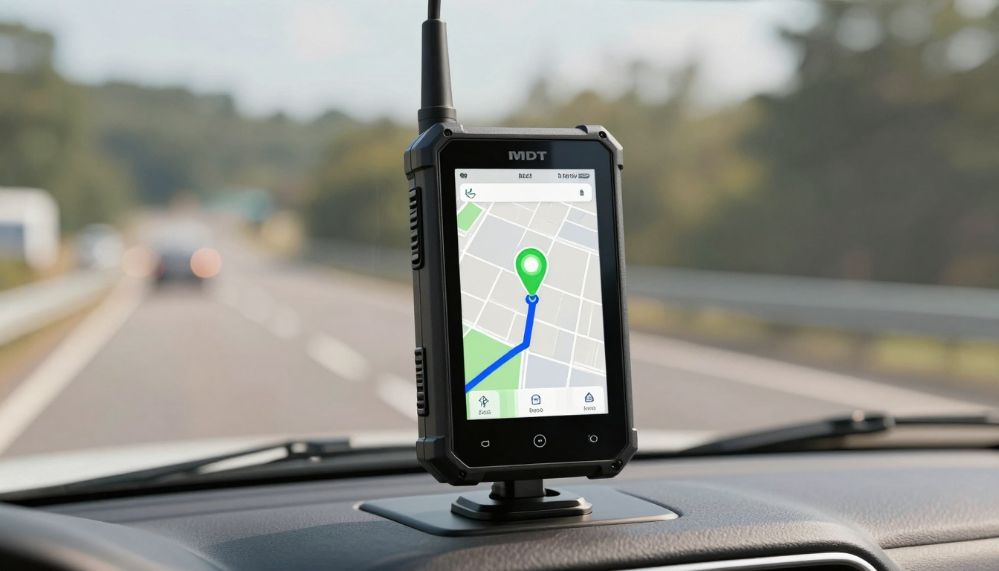
Fleet managers face tough hurdles these days. Fuel prices climb higher each month. Delivery schedules grow tighter by the day. You need clear views into where your vehicles are at all times. Enter the mobile data terminal, or MDT. It acts as the main link between drivers, trucks, and the home office. This article dives into what a mobile data terminal is used for. We will cover key roles, perks, and ways it fits into different fields.
Core Functionality: Beyond Just Communication
Mobile data terminals do more than send quick notes. They blend hardware like touch screens with software for smooth operations. Think of the MDT as your truck’s dashboard brain. It handles daily tasks that keep everything running without hitches.
Real-Time GPS Tracking and Location Services
MDTs pull in GPS signals to show exact spots. Dispatchers see this on maps back at base. It helps with quick rerouting if traffic blocks a path. Geofencing sets alerts when a truck enters or leaves a zone. For example, you get a ping if a driver nears a loading dock too early.
This ties into electronic logging devices, or ELDs. They track hours of service to meet rules. No more guesswork on driver fatigue. You cut risks and stay legal. Teams report up to 20% better route adherence with these tools.
Two-Way Communication and Messaging
Forget old CB radios that crackle and fade. MDTs offer safe digital chats between drivers and office staff. Send instructions, get updates, or log issues right away. A driver might text “Load confirmed at warehouse” after pickup. Or report “Stuck in traffic, ETA delayed 30 minutes.”
These messages store for records. They build a clear trail of events. It speeds up problem-solving. One fleet cut response times by half using MDT messaging. No paper notes to lose in the cab.
Electronic Proof of Delivery (ePOD) Capture
Paper slips? Those days are gone with MDTs. Drivers snap photos, grab signatures, and add time stamps on site. All this uploads to the main system in seconds. You confirm deliveries without calls or faxes.
ePOD cuts errors from lost forms. Customers sign on the screen with a stylus. Data flows back to update inventory live. Businesses see fewer disputes over undelivered goods. One study showed a 15% drop in proof issues after switching to digital.
Enhancing Operational Efficiency and Compliance
MDTs boost how your fleet runs day to day. They sharpen focus on rules and smooth workflows. You save time and money while dodging penalties. Let’s break down how this works in practice.
Driver Vehicle Inspection Reports (DVIRs) and Maintenance Logging
Before hitting the road, drivers log checks on the MDT. They note tire wear, brake pads, or lights. Post-trip reports flag any new problems. This digital shift beats scribbling on clipboards.
Audits become a breeze with stored data. You spot patterns, like frequent oil issues on certain routes. Schedule fixes before breakdowns happen. Fleets report 25% less downtime from better logs. Safety improves, too—fewer accidents from overlooked flaws.
Route Optimization and Navigation Guidance
Dispatch software sends the best paths to MDTs. These account for truck size, like avoiding low bridges or weight-restricted roads. Turn-by-turn directions guide drivers without cell phone distractions.
Logistics firms shave miles off trips this way. Fuel use drops, and arrivals hit targets more often. Picture a delivery van dodging construction zones in real time. One company cut fuel costs by 10% through smarter routing. It keeps your operations lean.
Regulatory Compliance Management (ELD Mandates)
Hours of service rules demand close watch. MDTs automate this with ELD links. They log drive time, breaks, and rests automatically. No fudging entries to worry about.
The FMCSA stresses accurate records to avoid fines. Audits pull data fast from the device. Drivers stay rested, cutting fatigue risks. Fleets face fewer violations—some report zero tickets after full rollout. Compliance turns from chore to strength.
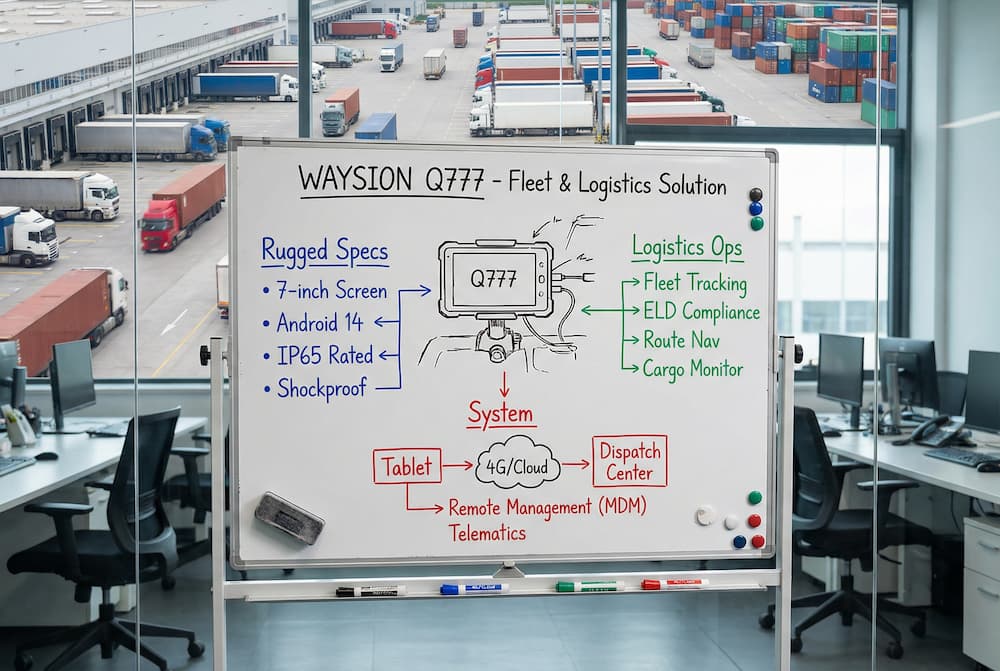
Data Collection and Business Intelligence
MDTs gather info that shapes big decisions. They turn raw numbers into smart insights. You move past daily fires to plan ahead. This data edge sets top fleets apart.
Telematics Data Integration
MDTs connect to vehicle sensors for key stats. Engine health, sudden stops, and idle minutes flow through. You review this to spot waste, like excess engine run time.
Idle data ties straight to fuel bills. Cut it, and savings add up quick. Harsh braking scores help train safer drivers. One report notes 18% better fuel economy from telematics tweaks. It’s like having a mechanic’s eye in every cab.
Productivity and Performance Metrics Tracking
Track how long drivers spend at stops or on routes. MDTs score behaviors, like smooth acceleration. On-time rates climb with these views.
Industry stats show MDT users hit 95% delivery success. Up from 80% before. You reward top performers and coach others. Time at customer sites logs billable hours. This builds a full picture of team output.
- On-time arrivals: Monitor against schedules.
- Site dwell time: Flag delays for review.
- Behavior scores: Rate safe driving habits.
Integrating with Back-Office Systems (ERP/TMS)
MDTs sync with ERP for inventory or TMS for loads. Data zips between field and office via APIs. No manual entry slowdowns.
Choose MDTs with strong connections for this. It updates stock levels post-delivery. Bills go out faster. Tip: Test API links before full install. This flow cuts errors and speeds cash cycles.
Modern Applications Across Industries
MDTs shine beyond trucking. They adapt to varied needs. From repairs to rescues, these tools fit right in. See how they work in other spots.
Field Service Management (FSM)
Techs use MDTs to grab job tickets on the go. They track travel, log work hours, and invoice from the van. Dispatch sees who’s free for the next call.
Utility crews coordinate outages this way. HVAC pros bill parts used on site. It streamlines complex schedules. One service firm boosted jobs per day by 22%. No more back-and-forth calls.
Public Safety and Emergency Response
Police cars carry MDTs for database checks. Pull up plates or warrants in seconds. Ambulances get alerts and maps to scenes.
Dispatch routes units fast during chases or fires. Secure links keep info private. Response times drop—vital in crises. Officers focus on the road, not laptops.
Construction and Heavy Equipment Monitoring
Rugged MDTs handle dust and bumps on sites. Track machine hours for oil changes. Log worker access to secure zones.
Bulldozers report usage to avoid overuse. It plans downtime without surprises. Crews cut idle equipment costs. One builder saw 30% better asset use.
Conclusion: The Future of Connected Mobility
Mobile data terminals started as basic radios. Now they form full fleet hubs. From GPS to data syncs, MDTs handle it all. You gain efficiency, safety, and smarts.
Look ahead to AI tweaks on routes or links to self-driving aids. These will push connected trucks further. Invest in MDTs to stay ahead. Your fleet will run smoother and stronger. Ready to upgrade? Check top providers and see the gains for your team.
https://www.waysion.com/blog/what-is-a-mobile-data-terminal-used-for/


评论
发表评论