Revolutionizing Farming: The Definitive Guide to Smart Agriculture Technology
Picture this: by 2050, the world will need to feed nearly 10 billion people, but droughts, shrinking farmland, and unpredictable weather make it tough. Traditional farming just can’t keep up with these pressures. That’s where smart agriculture steps in, blending tech with old-school know-how to grow more food with less hassle.
Smart agriculture, often called AgriTech, uses tools like sensors, AI, and robots to track and tweak farm operations. It cuts waste, boosts crops, and helps farmers stay ahead of problems. In the pages ahead, we’ll break down how these innovations work and why they’re a game-changer for feeding our planet.
Core Technologies Driving Smart Agriculture Adoption
Smart agriculture relies on a few key tech pieces that work together like a well-oiled machine. These tools gather info, make smart calls, and handle tasks without much human input. Let’s dive into the basics.
Internet of Things (IoT) Sensors and Data Collection
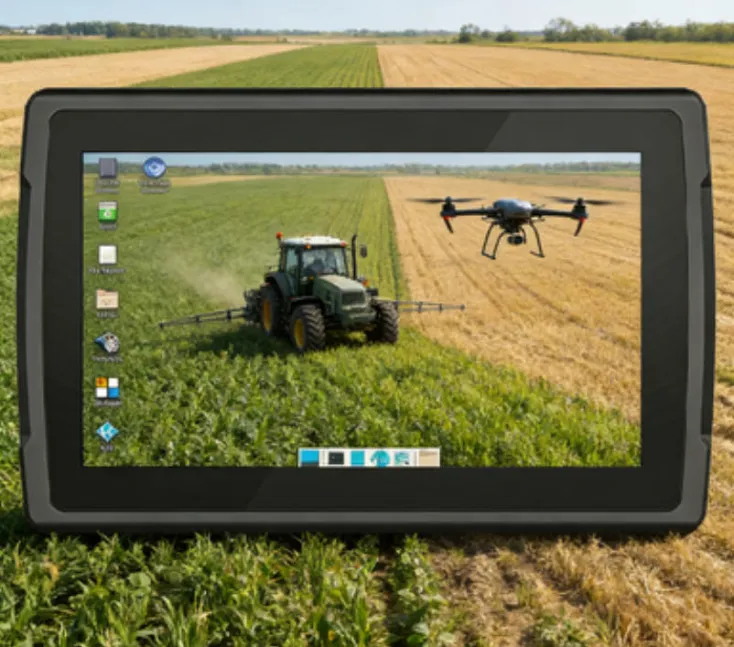
IoT sensors are the eyes and ears of modern farms. They measure soil moisture, check nutrient levels, and watch weather patterns up close. Drones capture images from above, sending a full picture of field health.
Data zips back to farmers via networks like LoRaWAN for long-range, low-power signals or 5G for speedy updates. This real-time flow means you spot issues fast, like dry patches before they harm yields.
For best results, place sensors evenly across fields and calibrate them twice a year. Check manuals for soil type tweaks to ensure readings stay spot-on. This setup turns guesswork into solid facts.
Artificial Intelligence (AI) and Machine Learning (ML) for Predictive Analytics
AI takes the flood of data from sensors and turns it into useful advice. It spots patterns humans might miss, like early signs of pests or crop diseases. Machine learning improves over time, learning from past seasons to predict future needs.
Think of AI as a crystal ball for farming. It forecasts yields by crunching weather data and soil stats. Major companies use ML to adjust watering based on local forecasts, saving water and time.
One example comes from farms in California, where AI models cut irrigation overuse by 20%. Tools like these help you plan sprays only where bugs show up. It’s precision at its finest, making every drop and dollar count.
Robotics and Automation in Field Operations
Robots handle the heavy lifting on farms, from plowing to picking. Autonomous tractors follow GPS paths, dodging obstacles without a driver. Robotic weeders zap weeds with lasers, sparing good plants.
These machines slash labor costs by up to 40%, freeing workers for bigger jobs. Precision means less soil compaction and fuel use too. It’s like having a tireless crew that never tires.
Stats show weeding robots reduce herbicide needs by 90% in some cases. Trials in Europe prove they boost efficiency while cutting chemical runoff. If you’re eyeing automation, start with small plots to test the fit.
Precision Farming: Optimizing Resource Management
Precision farming is the heart of smart agriculture. It targets resources right where they’re needed, avoiding waste. This approach saves money and protects the earth.
Variable Rate Application (VRA) for Inputs
VRA spreads fertilizers, seeds, and sprays based on exact field maps. Soil tests and aerial photos create these guides, so you apply more in weak spots and less elsewhere. No more blanket treatments that overdo it.
An agronomist once said, “VRA isn’t a luxury — it’s how farms stay profitable amid rising costs.” Experts agree it pays off quick, often in the first season. You see healthier crops with fewer inputs.
Tools like GPS-guided spreaders make VRA easy. Map your land once, then let tech handle the rest. It’s a smart way to stretch your budget further.
Advanced Irrigation Techniques and Water Conservation
Old-school flood watering soaks fields unevenly, wasting up to 50% of water. Smart drip systems deliver moisture straight to roots, guided by sensor alerts. Subsurface pipes keep evaporation low.
These methods pair with apps that predict rain, pausing pumps to save more. Farms using sensor-based irrigation see water efficiency jump by 30–40%. It’s a win for dry areas facing shortages.
You can install simple kits for under $1,000 per acre. Monitor apps daily to fine-tune flows. This tech turns water into a reliable ally, not a foe.
Crop Monitoring via Remote Sensing (Drones and Satellites)
Drones and satellites scan fields with tools like NDVI, which measures plant health through color shifts. They catch stress from nutrient gaps or thirst days before you notice wilting. Data comes weekly or even daily for big operations.
This remote view covers vast areas fast, unlike walking rows. Pair it with ground sensors for a complete check. Early alerts mean quick fixes, preserving yields.
In Brazil, soy farmers use satellite NDVI to spot diseases early, saving 15% on losses. Fly drones low for detailed maps. It’s like having a bird’s-eye doctor for your crops.
Indoor and Controlled Environment Agriculture (CEA)
CEA brings farming indoors, away from weather whims. It’s ideal for cities or harsh climates, growing food year-round. Let’s explore the setups that make it tick.
Vertical Farming Systems and Hydroponics/Aeroponics
Vertical farms stack crops in layers, using no soil — just water and air. Hydroponics feeds roots with nutrient mixes, while aeroponics mists them for faster growth. These systems recycle 90% of water, far better than outdoor fields.
No seasons or bugs mean steady output. A farm in Singapore stacks greens sky-high, producing 10 times more per square foot than traditional plots. It’s urban food security in action.
Start small with LED-lit shelves in a garage. Choose easy crops like lettuce. Scale up as you learn the nutrient balance.
Climate Control and LED Lighting Optimization
HVAC units keep temps steady, humidity just right, and CO2 levels optimal. LEDs mimic sunlight, tuned to blue for growth or red for fruiting. This boosts photosynthesis without huge energy bills.
Crops taste better too, thanks to custom light recipes. In CEA, you control every factor for top results. It’s farming in a bubble, safe from storms.
For newbies, pick energy-efficient LEDs and automate vents. Test light cycles on a few trays first. This precision yields premium produce.
Data Security, Interoperability, and Farm Management Software (FMS)
All this tech creates data goldmines, but it needs safe handling. FMS ties it together, while standards keep things compatible. Security keeps hackers out.
The Central Role of Farm Management Software (FMS)
FMS dashboards pull in weather feeds, machine logs, stock counts, and profit trackers. You see everything in one spot, making decisions easier. It’s the brain of your smart agriculture setup.
Platforms like these help plan planting and track harvests. Global FMS markets are set to grow 12% yearly through 2030. Pick one with mobile access for on-the-go checks.
Integrate it early to avoid data silos. Train your team on basics. Soon, it’ll feel like second nature.
Addressing Data Ownership and Cybersecurity Challenges
Farm gear collects sensitive info, like exact yields or locations. Who owns it? Farmers should, but contracts can blur lines. Cyber risks hit hard — hackers could spoil irrigation or steal plans.
Use strong passwords and firewalls on connected devices. Back up data off-site. Clear rules in vendor deals protect your info.
In one breach, a U.S. co-op lost crop plans, costing thousands. Stay vigilant with updates. Secure farms thrive longer.
Ensuring Technology Interoperability Across Brands
Different makers’ tools don’t always talk. The ADAPT framework pushes open standards, so a John Deere tractor shares data with a Case IH planter. This cuts headaches and costs.
Industry groups test plugins for smooth links. You mix gear without custom fixes. It’s building a flexible farm toolkit.
Check compatibility before buying. Join forums for tips. Interoperable tech scales your operation effortlessly.
Conclusion: The Future of Sustainable Productivity
Smart agriculture transforms how we grow food, maximizing outputs while shrinking waste. It tackles big issues like climate shifts and food needs head-on. Yields rise, costs drop, and soils stay healthy.
Key takeaways include data-driven choices that guide every move, resource smarts that save water and inputs, and automation that eases workloads. These pillars build resilient farms.
To speed this up, governments must fund training and subsidies. Invest now, and you’ll harvest a greener tomorrow. Ready to upgrade your fields? Start with one sensor today.
https://www.waysion.com/blog/how-to-optimize-crop-yields-with-smart-agriculture/


评论
发表评论