What is mobile data terminal?(Key Features of a Mobile Data Terminal)
What is a Mobile Data Terminal (MDT)?
A Mobile Data Terminal is a specialized device used to send, receive, and process real-time information within various work environments. Designed to endure challenging conditions, MDTs are often rugged, compact, and equipped with advanced communication technologies such as Wi-Fi, GPS, Bluetooth, and cellular connectivity.
From fleet vehicles to emergency response units, MDTs serve as a critical link between field personnel and centralized systems, enabling seamless communication, task management, and data sharing. Modern MDTs come with features such as touchscreen interfaces, GPS tracking, high-capacity batteries, and compatibility with various operating systems like Android, Windows, or Linux.
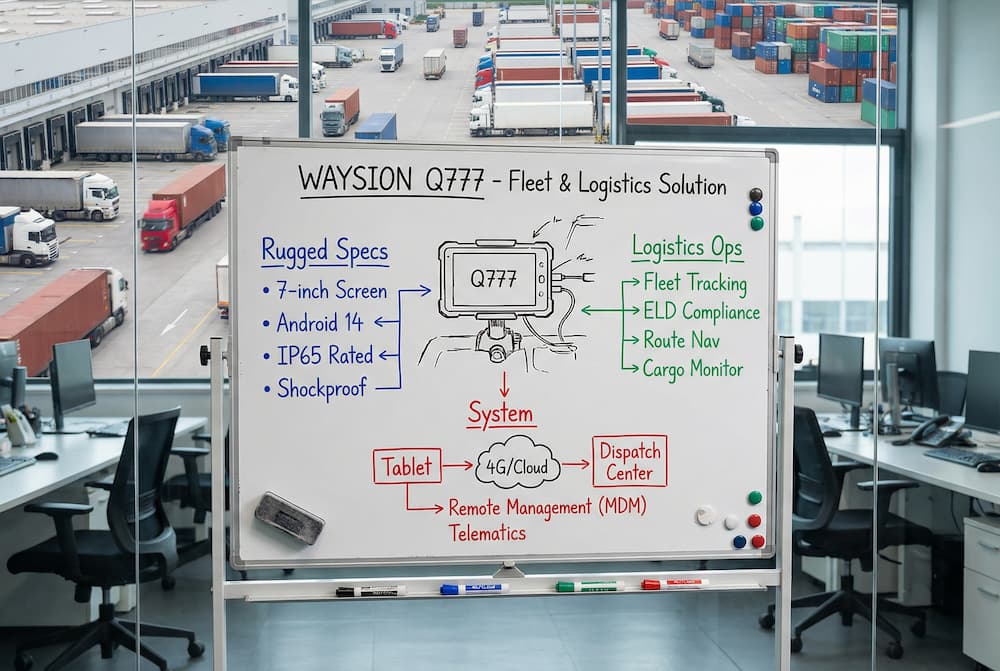
Key Features of a Mobile Data Terminal
1. Rugged and Durable Design
One of the standout features of an MDT is its rugged construction, making it suitable for tough environments. Built to meet IP65 or MIL-STD-810G standards, these devices are resistant to dust, water, vibrations, and extreme temperatures. This durability ensures uninterrupted operations, even in demanding conditions such as construction sites, mining areas, or long-haul trucking routes.
2. Real-Time Communication
Mobile Data Terminals are equipped with advanced communication modules, including 4G LTE, Wi-Fi, and Bluetooth, enabling real-time data exchange. This ensures that operators can send and receive updates, communicate with dispatch centers, and stay connected at all times.
3. GPS and Navigation Integration
Most MDTs come with GPS capabilities, providing accurate location tracking, route optimization, and navigation support. For fleet management, GPS integration plays a pivotal role in improving efficiency, ensuring timely deliveries, and reducing fuel consumption.
4. Touchscreen Displays
Modern MDTs feature high-resolution touchscreen displays that are designed for usability and visibility. Many displays are daylight-viewable, ensuring clear readability in bright sunlight, and support multi-touch functionality for easy interaction.
5. Customizable Software Platforms
Mobile Data Terminals are compatible with custom software solutions that cater to specific industry needs. Whether for logistics management, dispatch control, inventory tracking, or data analysis, MDTs offer seamless integration with Android, Windows, or Linux operating systems.
Applications of Mobile Data Terminals
1. Fleet Management in Transportation
In the transportation industry, MDTs act as essential tools for fleet management systems. Fleet operators use MDTs to monitor vehicle locations, fuel usage, and driver performance. Real-time data from MDTs allows businesses to optimize delivery routes, reduce downtime, and enhance customer satisfaction.
For long-haul trucking, MDTs help drivers remain compliant with regulations by logging hours of service (HOS), vehicle diagnostics, and maintenance schedules.
2. Public Safety and Emergency Services
Mobile Data Terminals are widely adopted by police departments, fire services, and emergency medical teams. These devices provide emergency responders with real-time access to dispatch systems, maps, and incident data, enabling them to arrive quickly at the scene. MDTs also ensure secure communication, critical for life-saving decisions.
3. Logistics and Supply Chain Management
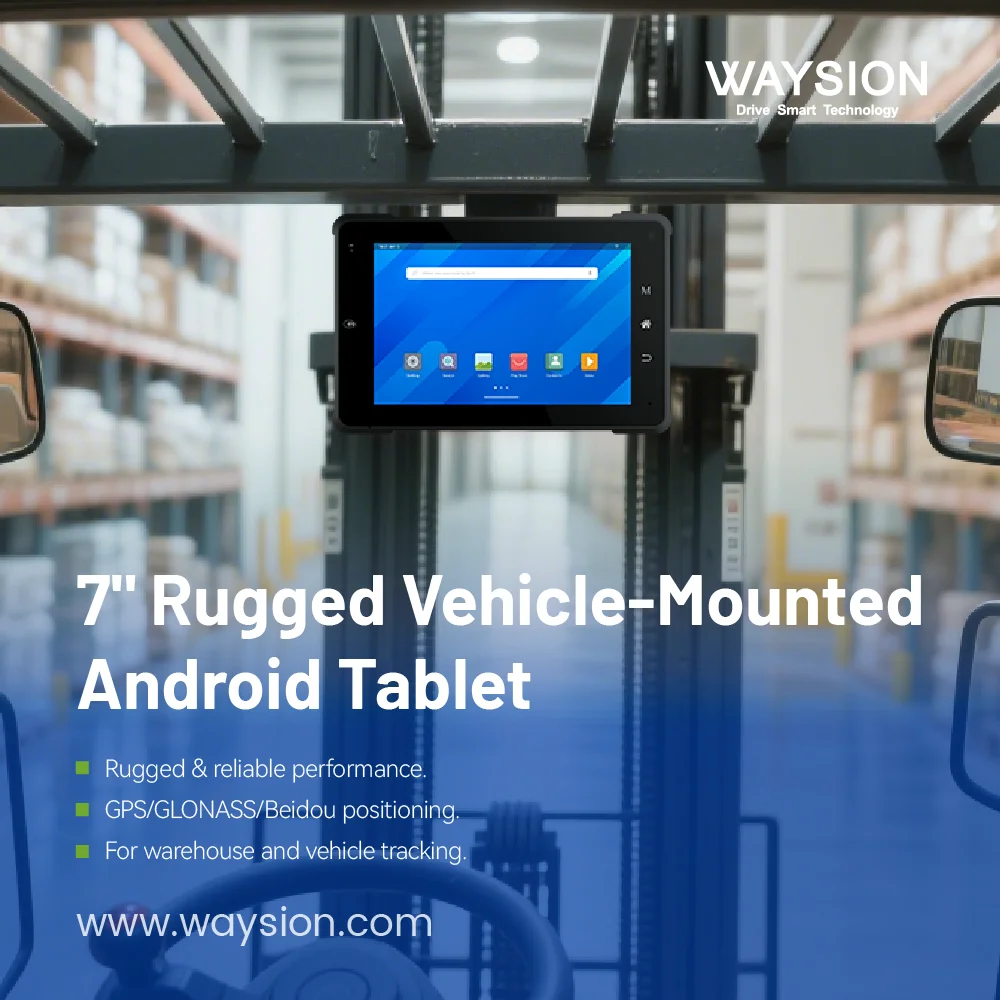
For logistics companies, MDTs streamline supply chain operations. From inventory management to warehouse communication, MDTs ensure accurate data collection, shipment tracking, and process automation. This reduces delays, prevents errors, and enhances overall operational efficiency.
4. Mining, Agriculture, and Construction Vehicles
In rugged industries such as mining, agriculture, and construction, MDTs serve as reliable communication tools for field workers. The rugged build of MDTs ensures consistent performance in harsh environments. They are used for equipment monitoring, task allocation, and data reporting to centralized systems.
5. Public Transport and Taxi Services
Mobile Data Terminals are integral to public transportation systems and taxi services. They provide route navigation, ticketing solutions, and real-time vehicle tracking, improving operational efficiency and enhancing passenger satisfaction.
Benefits of Using Mobile Data Terminals
1. Enhanced Productivity
By enabling real-time communication and task automation, MDTs eliminate manual processes and reduce operational delays, significantly improving overall productivity.
2. Improved Accuracy
MDTs provide accurate and up-to-date information, minimizing human errors and ensuring seamless data transfer between field personnel and central offices.
3. Cost Efficiency
Through features like route optimization and fuel tracking, MDTs help businesses reduce costs associated with fuel, vehicle maintenance, and inefficient routing.
4. Increased Safety
In industries like emergency services and transportation, MDTs ensure safety through features such as real-time monitoring, driver performance tracking, and secure communication channels.
5. Scalability
Mobile Data Terminals are highly scalable and can integrate with custom software solutions, making them adaptable for small businesses and large enterprises alike.
6. Edge Computing and AI Integration
The newest generation of MDTs are moving beyond simple data relay. Many now feature powerful processors capable of edge computing, allowing for immediate processing of video footage and sensor data (e.g., driver fatigue detection, predictive maintenance analytics) directly on the device. This integration with AI models drastically reduces server strain and ensures faster, smarter decision-making in real-time operations.


评论
发表评论